Method
How the catalogue was made
Every image is AI-generated; every text was researched by AI agents and edited. This page explains how that worked, what was measured and what was not.
Motifs
19 motifs, each a fixed English text. A motif fixes the content: people, action, place, objects and, for the infographic, poster, map and chart, the exact text. Light, colour, optics, medium and arrangement stay open. All motifs are set on the fictional island of Lornholm so that no real places, people or brands end up in the images.
Prompts
Every prompt consists of a style block, a motif block and guards. The motif block is identical per motif, the style block per style. The images with "no style given" come from the same prompt without a style block. The guards state the format, the allowed text and, for people, the instruction not to prettify anyone.
What the pilot run showed
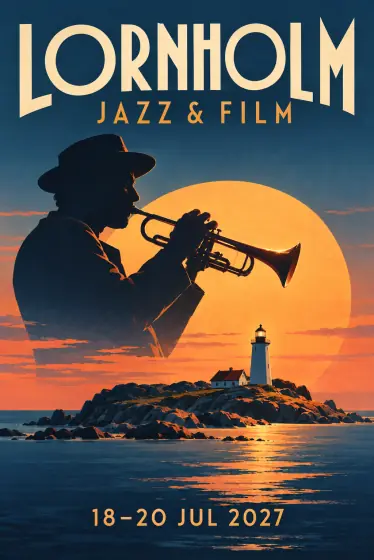
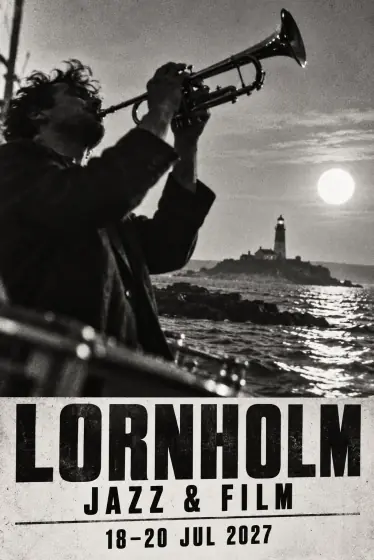
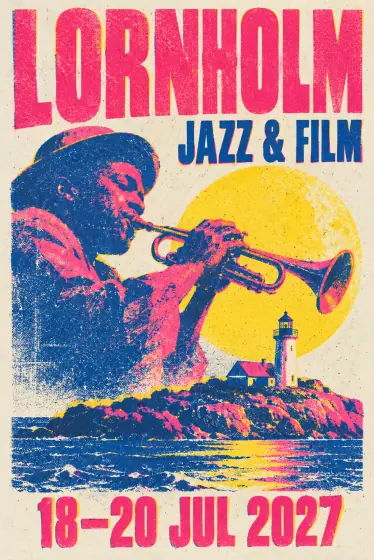
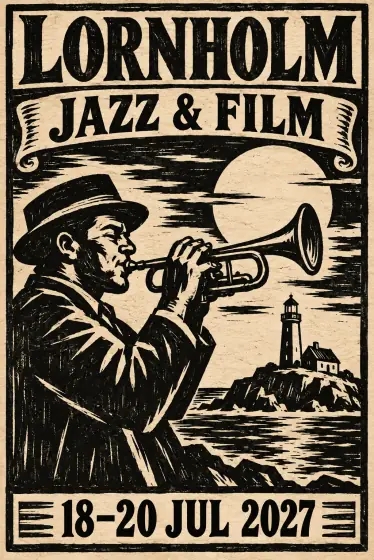
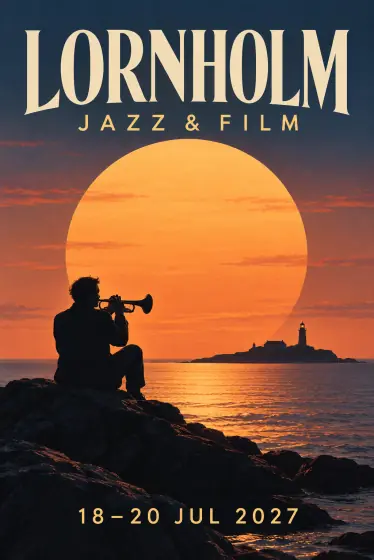
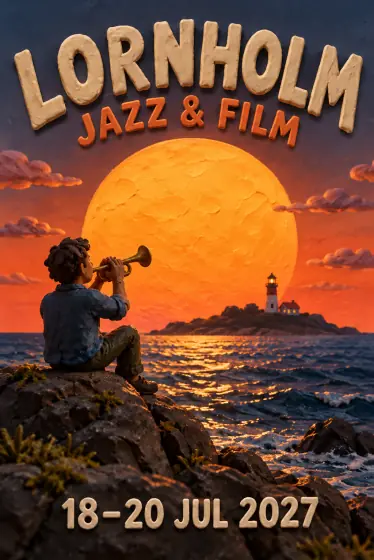
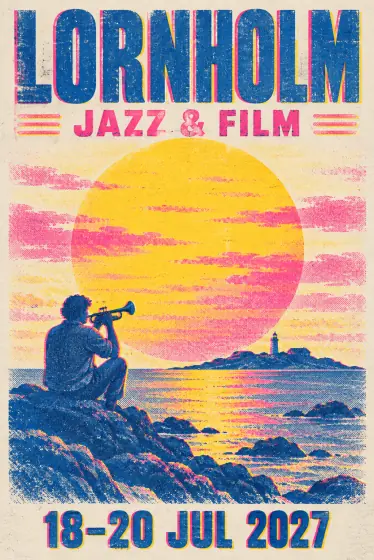
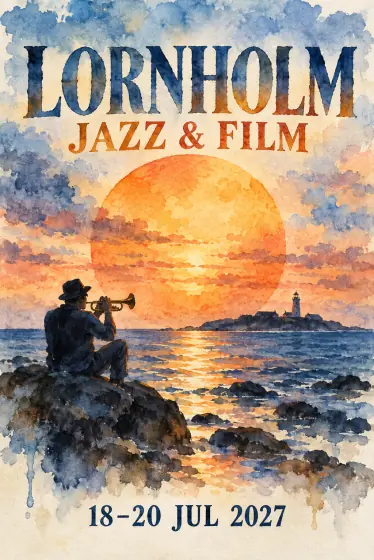
In the first version the motif blocks also fixed framing and arrangement, and the style blocks only described medium and surface. The result looked like a filter: every infographic had the same two-by-three grid, every poster the same sun disc above the horizon. Since the second version the motif block describes content only, and the style block also covers the style's composition, lettering and information layout. The format is now part of the prompt as well, because the size setting alone was ignored in 21 of 46 cases.
Generation
All images come from the built-in image tool of Codex CLI (codex-cli 0.162.0), called between 2026-10-02 and 2026-10-08. According to OpenAI's documentation it uses gpt-image-2; which model answered in a given case cannot be verified from outside. Every image is a separate call without a seed, so the same prompt gives a different image next time.
Review
A review agent looked at every image: is the style recognisable, are the fixed motif elements there, is the anatomy plausible? A second agent proofread every text letter by letter. Images with major errors were regenerated, with at most three attempts per cell. In total there were 672 image calls: 46 in the first pilot run, 279 with older versions of style blocks that were revised afterwards, and 33 retries after a failed review. 311 images are published. 101 images passed without objection, the review found minor deviations in 210. The reviewers were strict: a plaster on the wrong finger or four burners instead of two already count as a deviation. Images that failed are not published. The date, format and attempt number are given in the image view.
Lexicon
The lexicon of 1,675 entries comes from research with 32 AI agents: 14 fields from photography to internet aesthetics, followed by merging duplicates and three rounds of gap-finding from four perspectives. The entries were then checked one by one for plausibility, but only the 115 lead styles were tested thoroughly with images. Feasibility and distance from the AI look are editorial judgements, not measurements. The site shows 599 of them: the lead styles and every entry with a large distance from the AI look (4 or 5 out of 5) and high feasibility. The rest stay in the repository (data/lexicon.json).
614 of the other styles have a small example image. It is made from the entry's prompt fragment and one of two simple motifs: a lighthouse keeper with a broom or, for graphic design and infographics, an information sheet with three items. A review agent looked at each image briefly: is the style recognisable, is the motif there, are there logos or invented text? If an image failed, it got one retry. the review found minor deviations in 353 images, 65 failed and are not shown; there were 1,416 image calls in total. 297 of these images appear on the site. The 10 entries on community-bound traditions show neither a prompt fragment nor an image on the site.
Limits
- The images cannot be reproduced. The catalogue shows what a prompt typically does, not what it guarantees.
- Style names describe techniques, periods and movements. Living artists and studios are deliberately not named. Brand names appear only where they denote a technical process, such as Tri-X or Technicolor.
- Sacred or culturally protected traditions are excluded or carry a note in the lexicon.
- The site's WebP files no longer carry C2PA provenance data. The originals with metadata are attached to a release in the repository.
Labelling and licence
All images are labelled as AI-generated. The images are released under CC0: purely AI-generated images are not protected by copyright in many jurisdictions anyway. Texts are under CC BY 4.0, the code under MIT.
Related projects
Similar collections show a single scene in many styles, for example gpt-image-style-atlas with 116 styles. Bildsprache uses several graphic types, because a style that works for a portrait may fail on an infographic or a poster. The sister project Designsprache does the same for user interfaces, and Farbsprache helps you choose colours.
Version 1 and version 2 compared
The same poster motif before and after the change. In version 1 the motif block fixed the layout and the style block only described the surface, so every poster got the same sun disc above the horizon. In version 2 the motif block only describes the content, and the style block also covers composition and lettering.
Version 1: style as surface
Version 2: style as structure